
After 25 years in cemetery operations, Rebecca Kit asked a tough question:
"We are overloading this garden with cremated remains in the exact same spot and nothing is breaking down. What is this doing to the health of the plants?"
Rebecca is the GM at Woodlawn Memorial Park in Guelph. When she discovered Ashes to Earth®, the answer was immediate:
"It's nourishing plants instead of contributing to their demise. I knew I had to have it."
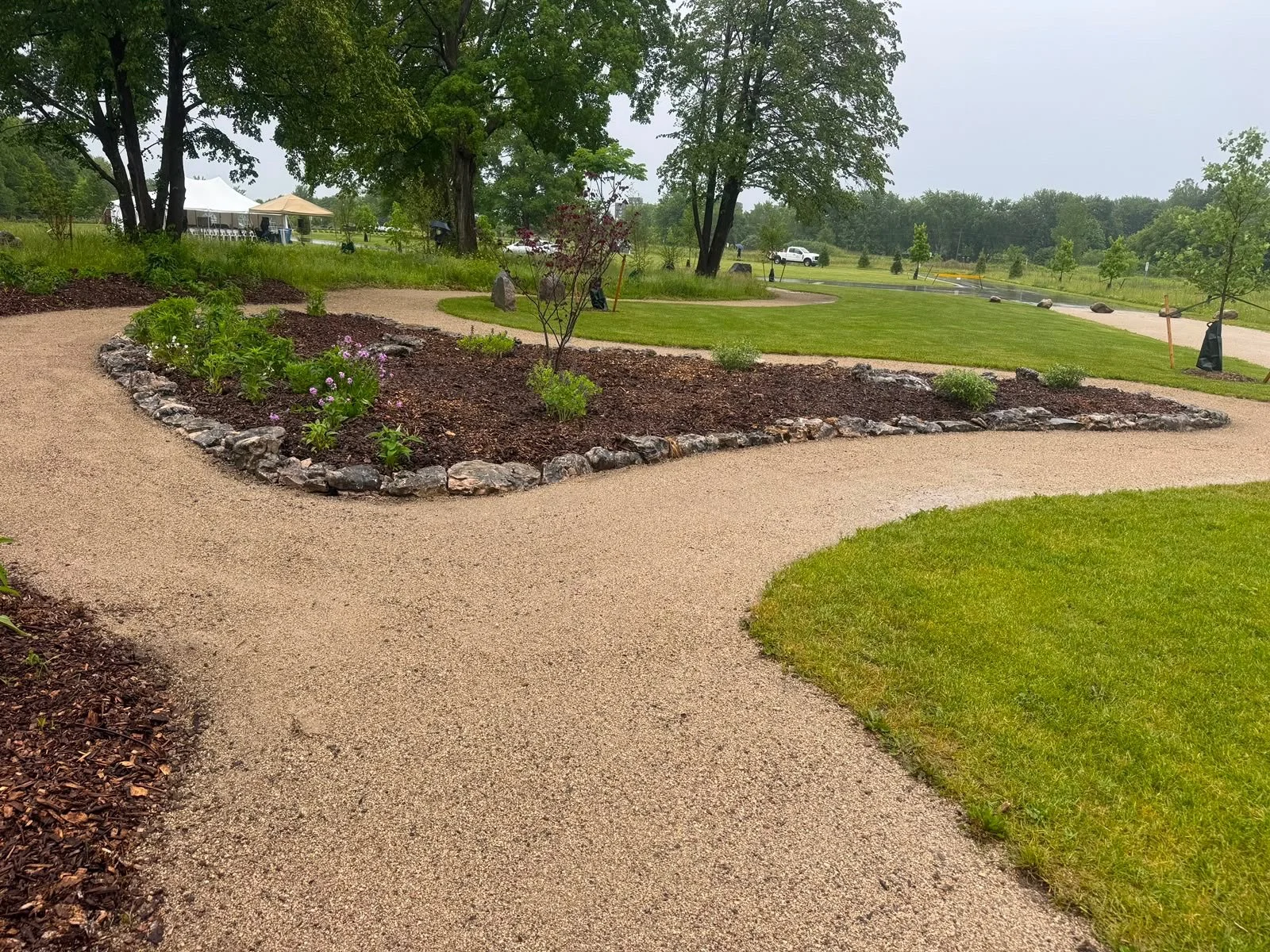
That's how the Taylor's Meadow scattering garden was born. In Woodlawn's green burial section, it's built on the five principles of the Green Burial Society of Canada: for the land, for families, and for the long-term health of the garden.
Here's what Rebecca knows now, and wants other cemetery operators to know too:
The traditional scattering garden model has a capacity problem. Once a garden is saturated, it's full—unless the remains can break down.
That's where Ashes to Earth® comes in. Now, that same small space can serve hundreds of families for generations.
"It opens up options for cemeteries with limited land. You can get decades of use out of one small garden."
And for families? The most asked question Woodlawn receives is: "How much does it cost?" The answer is that scattering is their most economical option, all because the soil extends capacity far beyond what traditional scattering allows.
Cemetery operators: if you're thinking about what your scattering garden could be, we'd love to talk. Email us 💌 info@awakecanada.com